A historic meeting point that once again brings people together around nature, gastronomy, and shared experiences.
THE STORY OF “EL MOLI 1260”

What began as the search for a farm ended up revealing 2,800 years of history.
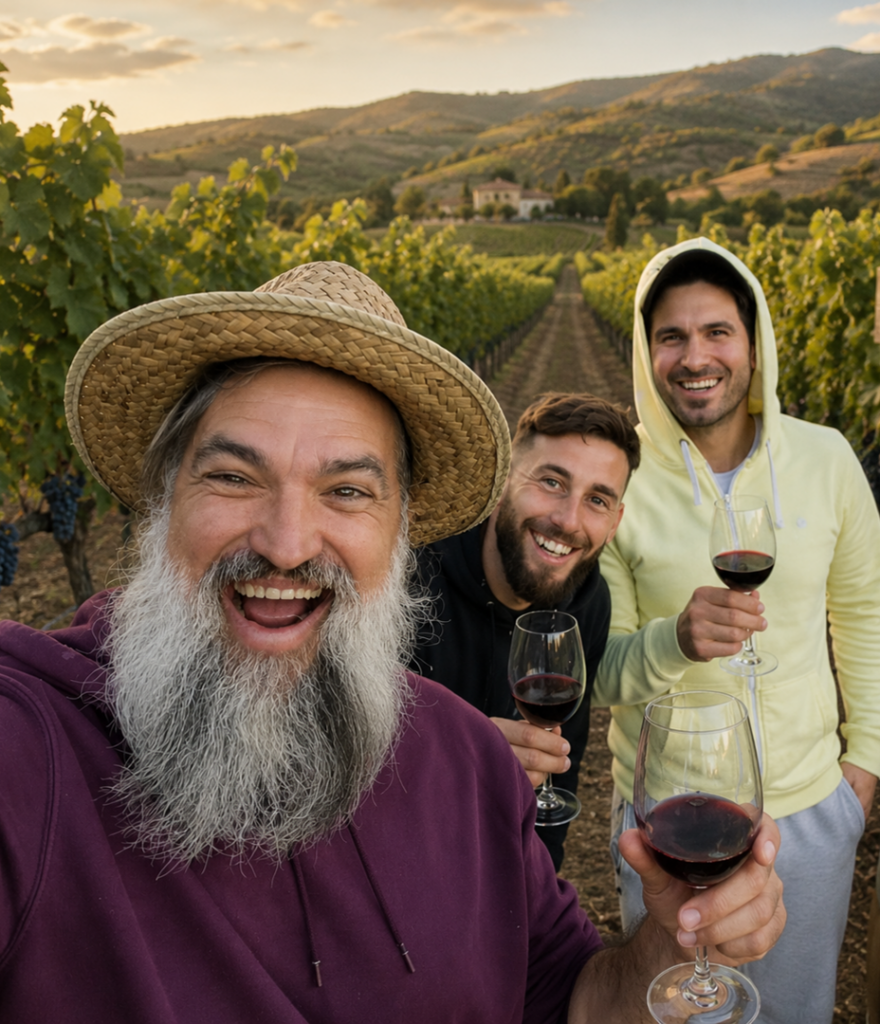
For centuries, El Molí 1260 was a meeting point. Today, it is once again.
A place where people gather to celebrate, learn, rest, and find inspiration.
A place that hosts weddings, corporate gatherings, and family reunions.
A place that teaches us to read the landscape, cook with wild plants and local produce, and discover the wisdom of the natural world—from Phoenician ruins to art and wellness workshops.
A place that restores us through silence, forest bathing, simple hospitality, and honest food connected to the land.
A place that inspires us, making room for silence, creativity, and the pursuit of new ideas through artist residencies and creative retreats.
A place where the essential reveals itself because we give time the space it needs. For centuries, El Molí 1260 was a meeting point. Today, it is once again.
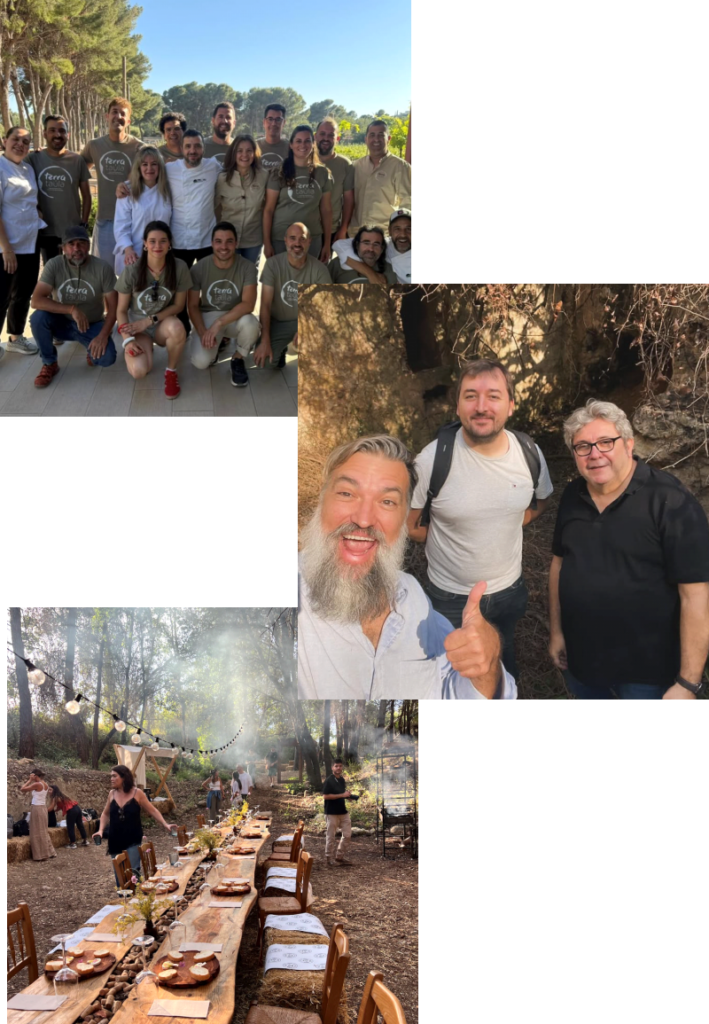
It all began with three friends looking for something simple: a plot of land where they could have a vegetable garden, plant fruit trees, and gather around a fire—with no other aim than that.
But they decided to clear the site slowly, without rushing, driven by a mix of curiosity and respect.
And then, the structure began to reveal itself.
The further they went, the larger it appeared to be.
They spoke with the former owner, but he was not even aware of the structure’s existence.
Curiosity turned into a question.
The question led to an expert consultation.
An archaeologist visited the site and worked there for a time.
Finally, the verdict came in: they were looking at a medieval flour mill dating back to 1260—possibly the earliest one documented in Spain.
But the story didn’t end there.
Subsequent research conducted by various universities revealed something even older. On that same hill, during the 8th century BC, there was a Phoenician settlement where grapevines were already being cultivated and wine produced.
Then new questions arose.
The answers appeared little by little.
First came the vegetable garden. Then the chickens, bees, and goats. Next came the encounters with local producers, winemakers, farmers, and people who had been working the neighboring lands for generations.
And they realized that a place is not just something to be experienced; it is something to be walked—and shared around a table.
That is how “Volver al Origen” (Return to the Source) was born: an experience designed to discover the landscape through its flavors, its stories, and the people who bring it to life.
Today, El Molí 1260 continues to grow and evolve.
It is a place where a 2,800-year-old Phoenician settlement, a medieval mill dating back to 1260, and a community of people who still gather around the table all coexist.
Because El Molí 1260 cannot be fully understood just by reading its history. You have to experience it firsthand.
Our doors are open whenever you wish to visit.
Aquí se viene a “badar”
Hay palabras que se pueden traducir y otras que no tiene traducción exacta. Badar es una palabra catalana, que significa algo asi como contemplar, dejarse llevar, distraerse un poco, observar sin buscar nada en particular. Es mirar sin prisa y estar presente sin necesidad de hacer.
En una época donde todo parece empujarnos a producir más, correr más rápido y aprovechar cada minuto, badar propone lo contrario. Detenerse, escuchar, observar, dar espacio a que las cosas sucedan. Por eso badar se ha convertido en el leitmotiv de El Molí 1260.